Get Fence Sealing
Fence sealing services offered by local contractors help protect and extend the life of fences by preventing damage from moisture, rot, and pests.
Property owners exploring fence sealing services are in the right place to find helpful information and connect with experienced local contractors. Properly sealed fences can improve the appearance of a property, prevent damage caused by weather or pests, and extend the lifespan of the fencing material. Whether planning a new installation or maintaining an existing fence, understanding the options available in the area can support informed decisions for property upkeep and enhancement.
This page is designed to assist those comparing local service providers who specialize in fence sealing. By exploring available options, property owners can identify qualified professionals capable of delivering the results they desire. Keep reading to learn more about the benefits of fence sealing and how to find trusted local contractors to handle the work.
- New Fence Installation - homeowners may need fence sealing services after installing a new fence to protect it from weather and moisture damage.
- Fence Repair Projects - property owners seeking to extend the lifespan of an existing fence often require sealing to prevent further deterioration.
- Post-Construction Sealing - builders and contractors may look for local service providers to seal fences following construction or renovation work.
- Fence Restoration - those restoring an older or weathered fence may need sealing to improve appearance and durability.
- Seasonal Maintenance - property managers and homeowners might schedule fence sealing as part of their seasonal upkeep routines.
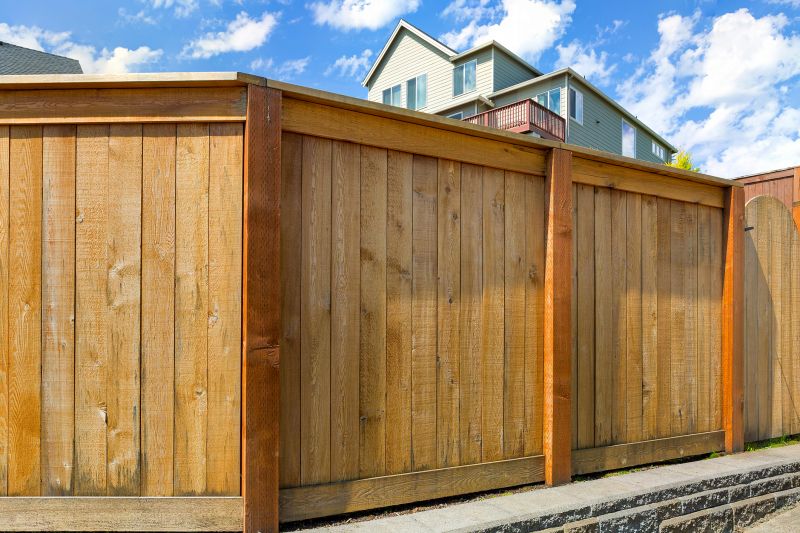
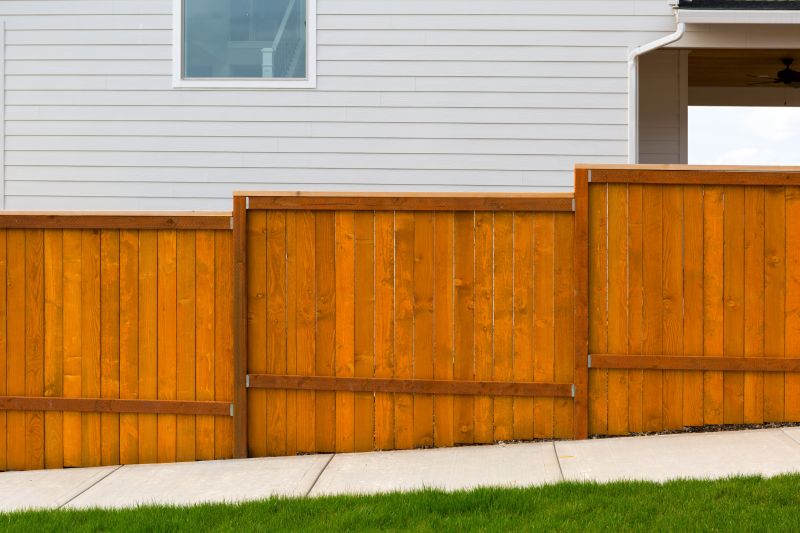
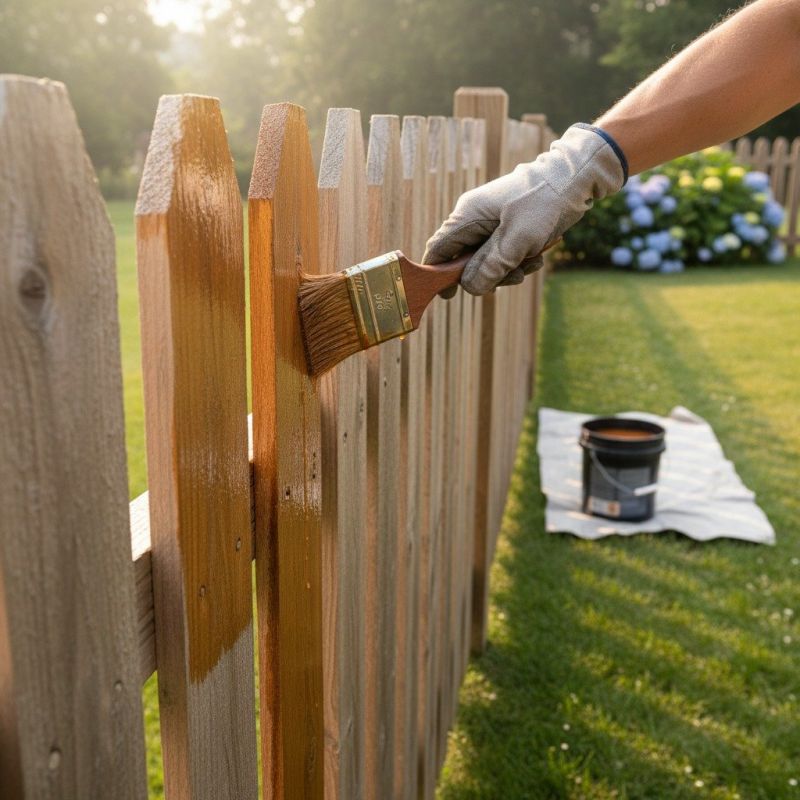
Fence sealing services involve applying a protective coating to the surface of a fence to help preserve its appearance and structural integrity. This process typically includes cleaning the fence to remove dirt, mold, or old paint, followed by carefully applying a sealant designed to penetrate the material-whether wood, vinyl, or composite. The goal is to create a barrier that shields the fence from moisture, UV rays, and other environmental factors that can cause deterioration over time. Professional contractors use specialized products and techniques to ensure an even, long-lasting seal that enhances the fence’s durability and aesthetic appeal.
Sealing a fence can help address common problems such as rotting, warping, cracking, and fading. Wooden fences, in particular, are susceptible to moisture damage, which can lead to wood rot and pest infestations if not properly protected. Vinyl and composite fences can also benefit from sealing to prevent staining and surface damage caused by exposure to the elements. Regular sealing can extend the lifespan of a fence, reduce the need for repairs or replacement, and maintain its visual appeal. Homeowners often seek out fence sealing services when they notice signs of wear or want to prevent future damage from occurring.
Many types of properties benefit from fence sealing, including residential homes, rental properties, and even small commercial sites. Homeowners with wood fences may choose sealing to keep their yard looking tidy and to protect their investment. Those with vinyl or composite fences often opt for sealing to prevent staining and surface damage, especially in areas with harsh weather conditions. Fences around gardens, pools, or outdoor living spaces are also common candidates for sealing, as it helps maintain privacy and aesthetic value while resisting weather-related wear. Overall, fence sealing is a practical maintenance step for property owners seeking to preserve their fencing investment and improve curb appeal.
Local contractors who offer fence sealing services can assess the specific needs of different fence types and recommend appropriate products and techniques. They can help determine the best timing for sealing, typically after installation or during routine maintenance, to ensure the fence remains protected. Whether dealing with an aging wooden fence or a newer vinyl installation, professional service providers can deliver a thorough application that enhances durability and appearance. Contacting experienced local pros can provide property owners with the expertise needed to keep fences in optimal condition, helping to prevent costly repairs and extend the life of outdoor fencing.
The overview below groups typical Fence Sealing projects into broad ranges so you can see how smaller, mid-sized, and larger jobs often compare in your area.
In many markets, a large share of routine jobs stays in the lower and middle ranges, while only a smaller percentage of projects moves into the highest bands when the work is more complex or site conditions are harder than average.
Smaller Repairs - Typical costs for routine fence sealing jobs range from $250 to $600, covering minor repairs or sealing of smaller fences. Many projects fall within this range, depending on fence length and condition.
Standard Sealing Services - Most local contractors charge between $600 and $1,200 for sealing an average-sized fence, which includes cleaning and applying protective sealant. This is the most common price band for standard projects.
Full Fence Replacement - Larger, more complex projects such as replacing or sealing extensive fences can cost $2,000 to $5,000 or more, depending on materials and size. Fewer projects reach these higher tiers, but they are necessary for extensive repairs or upgrades.
Premium or Custom Jobs - Highly detailed or specialty sealing work for custom fences can exceed $5,000, especially for large or intricate designs. These projects are less common and typically involve higher-end materials or finishes.
Actual totals will depend on details like access to the work area, the scope of the project, and the materials selected, so use these as general starting points rather than exact figures.
Fence Painting and Staining - This project involves surface preparation and finishing skills similar to sealing, requiring attention to detail and proper use of tools for a smooth, durable finish.
Deck Restoration - Restoring and sealing decks involves similar planning and application techniques, ensuring wood surfaces are protected from the elements.
Wood Siding Treatment - Applying protective coatings to wood siding shares techniques with fence sealing, focusing on surface prep and even application for lasting results.
Outdoor Furniture Refinishing - Refinishing and sealing outdoor furniture requires surface cleaning, preparation, and applying protective coatings, akin to fence sealing processes.
Stone and Masonry Sealing - Sealing stone surfaces involves similar planning and application skills, ensuring materials are protected against moisture and staining.
Garden Bed Edging Installation - Installing and sealing garden bed edging involves planning, surface preparation, and precise application, paralleling fence sealing techniques.

When comparing service providers for fence sealing, it's important to consider their experience with similar projects. Homeowners should look for local contractors who have a proven track record of successfully completing fence sealing jobs comparable in size and scope. An experienced professional will be familiar with different fence materials and the best methods to ensure a durable, long-lasting seal. Checking how long a contractor has been working in the area and their familiarity with local climate conditions can also provide insight into their expertise and ability to deliver quality results.
Clear, written expectations are essential to ensure both parties are aligned on the scope of work. Homeowners should seek out service providers who can provide detailed descriptions of their services, including the steps involved, materials used, and any preparations needed before work begins. Having this information in writing helps prevent misunderstandings and allows homeowners to compare proposals more effectively. A reputable local contractor will be transparent about what the job entails and ensure that expectations are clearly communicated from the outset.
Reputation and communication are key factors when selecting a fence sealing professional. Homeowners are encouraged to review references or testimonials from previous clients to gauge the quality of work and customer satisfaction. Good communication throughout the process-prompt responses to questions, clarity in explanations, and a professional approach-can significantly impact the overall experience. Connecting with local service providers who prioritize clear communication and have a trustworthy reputation can help ensure the project proceeds smoothly and meets expectations.
Property owners use Fence Sealing services for practical projects around their homes and businesses. This guide focuses on everyday jobs and straightforward project options.
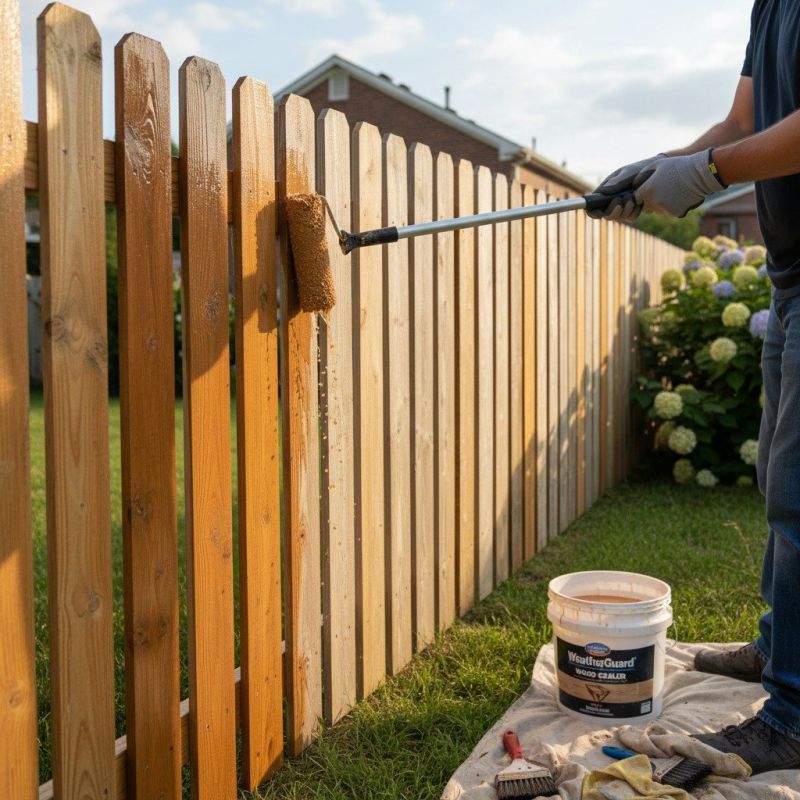
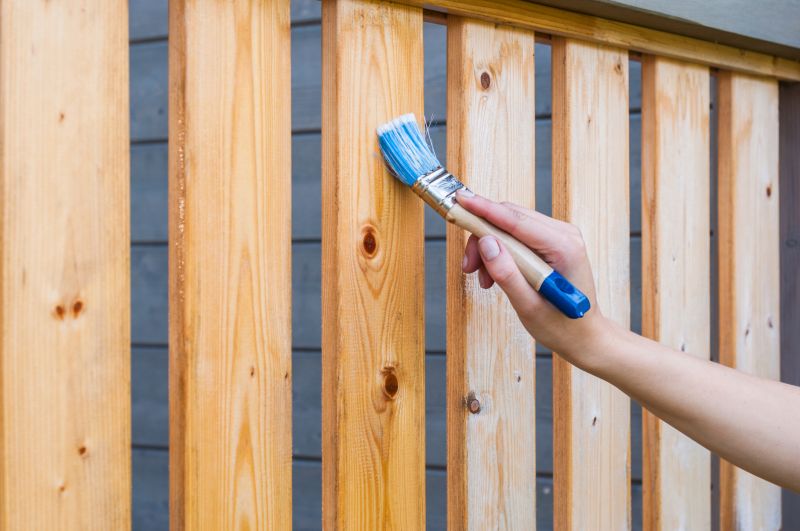
Fence sealing is a common service sought after by property owners looking to preserve the appearance and integrity of their fences. Whether it's to protect against weather damage, prevent wood warping, or extend the life of a fence, local contractors can provide solutions that help maintain the property's curb appeal. Homeowners often consider fence sealing after noticing signs of wear or when preparing for seasonal changes, aiming to keep their outdoor spaces looking tidy and well-kept.
Many property owners also turn to local service providers for fence sealing when they want to improve privacy or define property boundaries more clearly. Sealing a fence can help prevent issues like rot, mold, and insect damage, which are common concerns in certain climates. By connecting with experienced local contractors, property owners can find professional assistance to keep their fences durable and visually appealing for years to come.
What is fence sealing? Fence sealing involves applying a protective coating to a fence to help prevent damage from moisture, UV rays, and other environmental factors, extending its lifespan.
Why should I consider sealing my fence? Sealing can help protect your fence from weather-related wear, reduce the risk of rot or warping, and maintain its appearance over time.
What types of fences can be sealed? Many fence materials, including wood, vinyl, and composite, can benefit from sealing services provided by local contractors.
How often should a fence be sealed? The recommended frequency varies based on the material and local climate, but generally, fences should be resealed every 1-3 years.
How do local service providers handle fence sealing? Local contractors typically prepare the fence surface, choose appropriate sealants, and apply coatings evenly to ensure effective protection.
Protect Wooden Fences - Sealing wooden fences can help prevent weather damage and extend their lifespan for ongoing outdoor privacy.
Maintain Vinyl Fences - Applying a sealant can keep vinyl fencing looking clean and new, reducing the need for frequent cleaning or repairs.
Preserve Metal Fences - Sealing metal fences can prevent rust and corrosion, maintaining their appearance and structural integrity over time.
Enhance Curb Appeal - Proper sealing of fences can improve the overall look of a property while helping to resist stains and deterioration.
If you are thinking about Fence Sealing for a property, this guide is meant to help you understand the work, the typical project types, and how different options might fit your plans.
When you are ready, you can use the quote form on this page to share a few details about your project. From there, local pros can review the basics and respond with options that match what you have in mind.